The importance of rare earth elements in various industrial sectors and advanced technologies could help revive Turkey’s economy while strengthening its geopolitical role across Eurasia. At the same time, the discovery may help ease domestic discontent, as a significant portion of the Turkish population has expressed dissatisfaction with the country’s struggling economy and the depreciation of the Turkish lira.
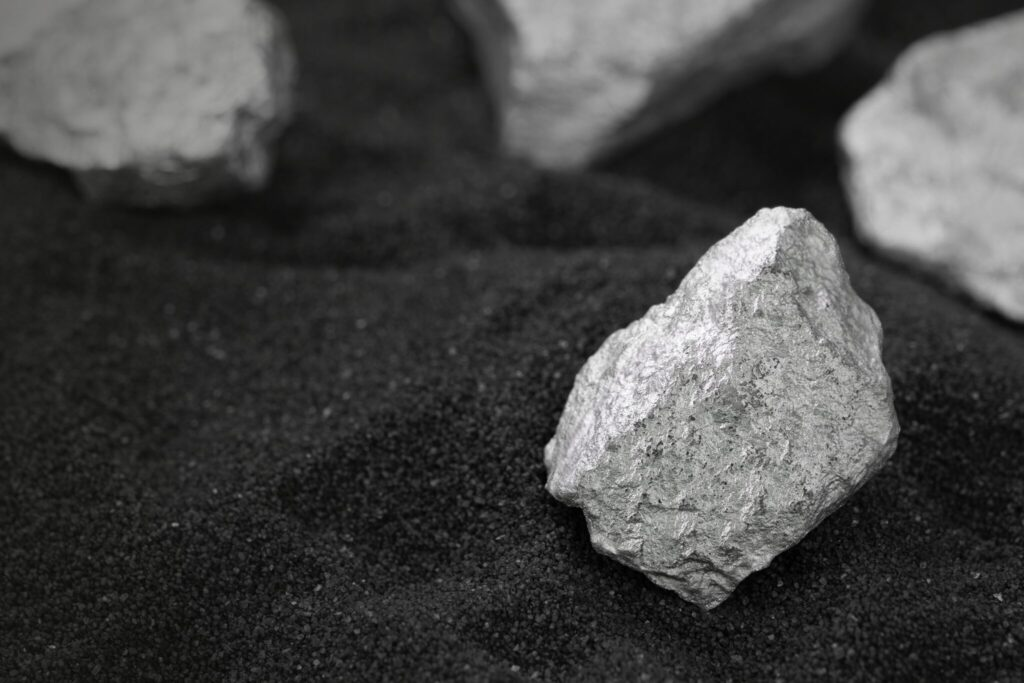
According to local sources, Turkey has discovered 694 million tonnes of rare earth reserves in the Beylikova district of Eskişehir Province. The deposit, which contains rare earth elements, has been reported as the second largest in the world after China’s estimated 800-million-tonne reserve.
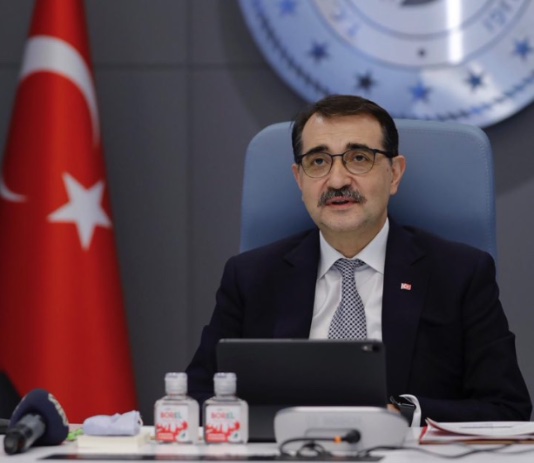
Turkish Minister of Energy and Natural Resources Fatih Dönmez stated that the discovery “marks a historic milestone for the country.” The announcement was also made by Turkish President Recep Tayyip Erdoğan during a national address following a Cabinet meeting.
According to Dönmez, exploration work in the Beylikova district began many years ago, but tangible results were only achieved after the state-owned mining company Eti Maden took over the project in 2011. Over the following six years, the company drilled 125,193 meters, collected 59,121 samples, and, after extensive analysis, confirmed the presence of a 694-million-tonne rare earth deposit.
The minister stated that, once the industrial processing facility is built in the Beylikova area, Turkey could produce 10 of the 17 known rare earth elements.
The government is currently evaluating projects aimed at developing the technology needed to manufacture finished products from these critical minerals.
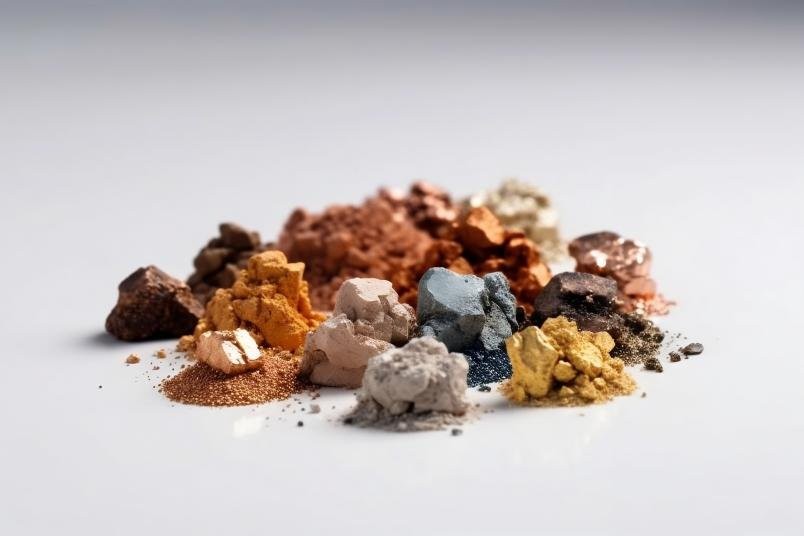
Because of their unique chemical properties, rare earth elements are essential for manufacturing high-tech products. They comprise a group of 17 chemical elements used in the production of superconductors, permanent magnets, alloys, catalysts, hybrid and electric vehicle components, optoelectronic devices, optical fibers, and microwave technologies.
Identifying and extracting rare earth elements is technically challenging and has a significant environmental impact. As global population growth and technological development continue to drive demand, these minerals have become increasingly valuable strategic resources.
Global rare earth reserves are distributed across several countries but are particularly abundant in China, Brazil, and Russia. China remains the world’s leading producer, with its largest deposit located in Baotou, Inner Mongolia.
From an environmental perspective, the extraction and refining of rare earth elements can cause severe ecological damage. Processing these materials involves multiple stages of acid treatment, chemical separation, and filtration, generating substantial quantities of toxic waste.
Among the most serious environmental consequences are biodiversity loss, water pollution, soil erosion, and land subsidence caused by open pits and mining activities. It is estimated that processing one tonne of rare earth metals produces approximately 2,000 tonnes of toxic waste. This is why recycling waste electrical and electronic equipment (WEEE) is becoming increasingly important. Effective recycling allows rare earth elements to be recovered and reused in new manufacturing processes, reducing the need for additional mining.
Following the discovery of these rare earth resources, Turkey could emerge as a significant competitor to China in the global rare earth market, attracting foreign direct investment (FDI) and the interest of Western mining and technology companies.
Given China’s dominant position in both rare earth mining and downstream processing, the United States and the European Union have been seeking alternative sources for years to reduce their dependence on Beijing.
Considering the extensive environmental and industrial implications of developing the Beylikova deposit, Turkey will need to invest in modern infrastructure and advanced processing technologies to minimize environmental risks. In pursuing this objective, Ankara may seek cooperation with Western governments and private companies.
On the one hand, the United States could leverage its strategic relationship with Turkey and the country’s NATO membership to become a major investor or purchaser of Turkish rare earth products, potentially creating new tensions between Ankara and Beijing.
On the other hand, because China possesses extensive expertise and technological know-how in developing rare earth mining projects, Beijing could also offer investment and technical assistance to Turkey. Such cooperation could further strengthen Sino-Turkish economic ties while advancing China’s Belt and Road Initiative (BRI).
However, the discovery has also been met with skepticism across Turkish social media and online forums. Some members of the public believe that the Turkish government chose to publicize the discovery in order to divert attention from the country’s economic difficulties or to build momentum ahead of the June 2023 general elections, during which President Erdoğan sought re-election.
www.mpi.it – www.mpimagnets.com
tel.: +39 0293566034
Email: info@mpi.it
Fonte: www.notiziegeopolitiche.net